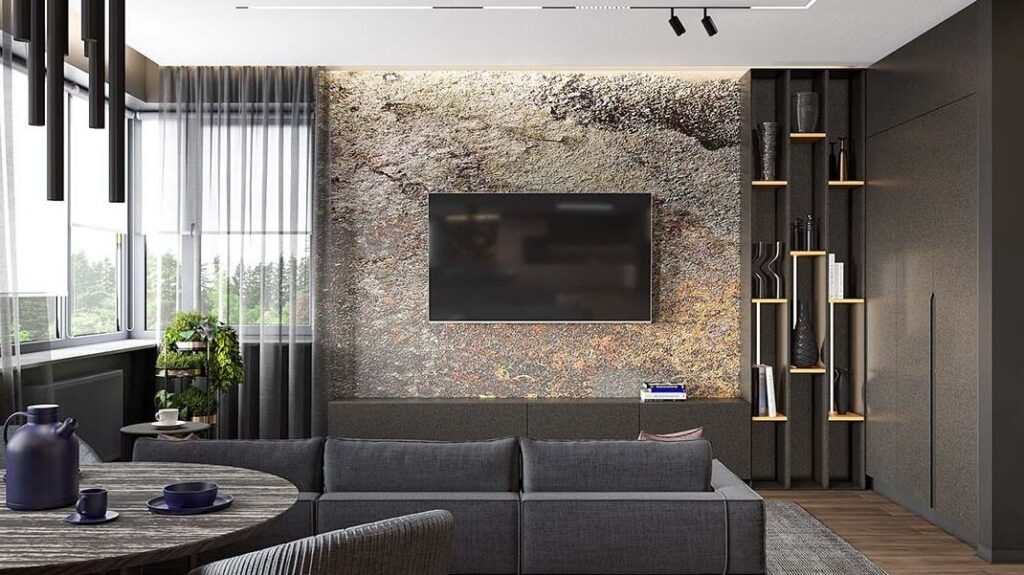
When people talk about interior design Malaysia, they often imagine beautiful furniture, perfect paint colours or stylish lighting fixtures. But professional interior designers know: the real magic hides in the subtle details — those nuances that are easy to overlook but impossible to fix once the renovation has already begun. A well-designed interior isn’t just a visual experience; it’s a choreography of comfort, logic and emotion.
One of the experts who frequently speaks about the depth of this profession is Olga Thijssens, a well-known interior designer whose projects are praised for their clarity and sense of harmony. She often says that good design is not about how expensive the materials are, but about how deliberately every element has been thought through.
Why the Details Matter More Than You Think
A space that feels comfortable doesn’t happen by accident. It’s the result of hundreds of micro-decisions: where the sockets are placed, how wide the aisles are, which direction the wardrobe doors open, and how the morning sun hits the room. These details don’t appear in glossy mood boards, but they define whether the space will serve you for years — or constantly annoy you.
In Malaysia’s climate, for example, ventilation planning, the right selection of materials and thoughtful lighting play an even greater role. High humidity, intense sunlight and temperature fluctuations require a designer to foresee far more than colour palettes alone.
The Most Common Pitfalls When Planning an Interior
1. Leaving decisions “for later”.
Many homeowners think they’ll figure out the decor, storage or layout after the main construction. Unfortunately, this often leads to extra costs and frustration. Good spaces come from good planning — not improvisation.
2. Ignoring lighting scenarios.
Lighting is one of the most underestimated aspects. A single central lamp creates flat, uncomfortable illumination. Layered lighting — ambient, task and accent — changes the space entirely.
3. Poor material choices.
Some materials look beautiful in showrooms but simply don’t work in Malaysian conditions. Without professional guidance, people often choose finishes that wear out quickly or require constant maintenance.
4. Lack of cohesion.
Randomly buying furniture “because it’s pretty” leads to a chaotic space with no concept. A designer ensures the whole picture works together, not as a mix of accidental purchases.
Planning Ahead: The Secret Ingredient of Every Beautiful Interior
The true beauty of professional design lies in anticipation. Before a single wall is painted, a designer maps out circulation paths, furniture layouts, lighting schemes, electrical plans, storage solutions and even how the home will evolve as the client’s lifestyle changes.
This is the difference between a space that merely looks good in photos and a space that genuinely works in daily life.
Working with a professional also means fewer expensive mistakes. Rebuilding a misplaced partition or redoing badly planned plumbing costs far more than hiring a designer from the start.
How Malaysian Designers Bring Harmony to a Space
Modern Malaysian interior design blends global trends with local sensibilities — natural materials, comfortable airflow, layered lighting, compact layouts and a balance of simplicity with warmth. The goal is not just to impress but to create an environment that feels effortless and grounded.
Olga Thijssens, interior Designer highlight this approach in their projects: clarity, coherence and a deep understanding of how people actually live in their spaces.
Interior design is not about perfection — it’s about intention. A thoughtful space is one where every detail feels natural, useful and quietly beautiful. And while it may seem like these nuances are small, they are exactly what transforms a house into a home.